
A guide to parent wellness after birth
Taking care of you is taking care of your baby.
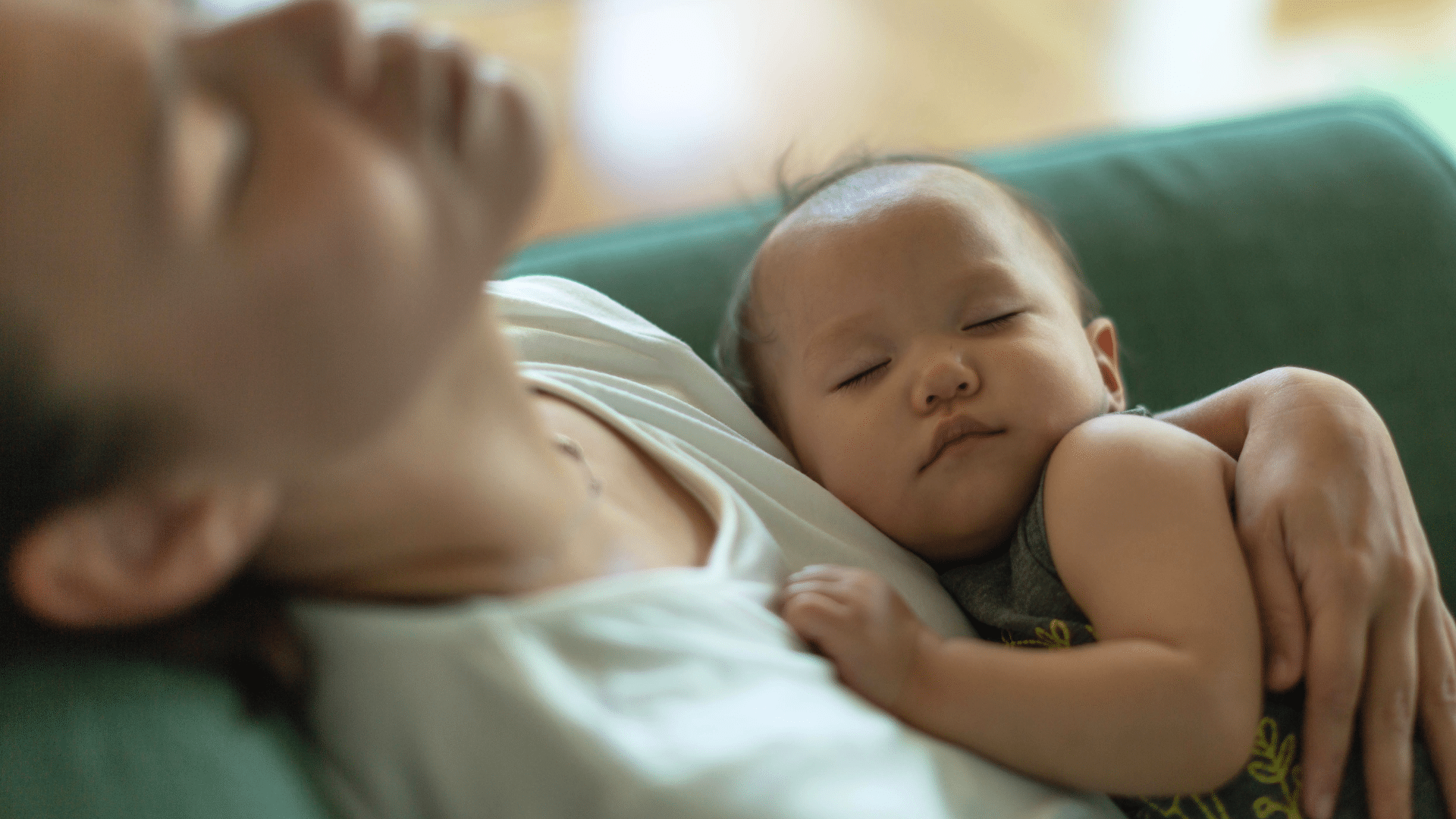
Birth, whether vaginal or cesarean, is a major physical event, and the person who gave birth needs real time to heal. Postpartum recovery supports musculoskeletal health, emotional wellbeing, cardiovascular health, and the prevention of long term complications, yet many are sent home with little guidance beyond a six week checkup. The early weeks call for rest, gentle movement, nourishment, and patience. Healing is not linear, and there is no timeline you are behind on.
At the same time, becoming a parent brings its own kind of adjustment, no matter how your baby arrived. Whether you welcomed your baby through surrogacy, adoption, or birth (including as a non birthing parent), these early weeks can be physically tiring and emotionally intense. Rest, accept support, and give yourself space to adjust to this new role. Your wellbeing matters too, and there is no single right way to move through this transition.
To learn more or to find a specialist, check out our directory.
This content is for educational purposes only and does not constitute medical advice, diagnosis, or treatment. For concerns related to your baby’s health, development, or sleep, or your own physical or mental wellbeing, always consult a qualified healthcare provider.

Breastfeeding is one of the most nourishing things you can do for your baby — but it also places real demands on your body. Experts from the CDC, Mayo Clinic, and leading children’s hospitals agree: aim for a colorful plate with lean proteins, whole grains, plenty of fruits and vegetables, and low-mercury seafood.1,2,3 Your caloric needs increase by roughly 330–500 extra calories per day while nursing, so now is not the time to restrict, it’s the time to fuel.1,2
Beyond what you eat, how you hydrate matters too. Breastfeeding naturally increases thirst, and staying well-watered supports your milk supply.2 High-mercury fish, excess caffeine, and alcohol all deserve a mindful eye, but none require total elimination for most moms.1,5 And if you have specific health needs, a postpartum supplement can help fill the gaps – especially for vitamin D, iodine, choline, and omega-3s.1,4 Most of all: be kind to yourself. Your body knows how to nourish your baby. Your job is to nourish yourself.
To learn more or to find a specialist, check out our directory.
This content is for educational purposes only and does not constitute medical advice, diagnosis, or treatment. For concerns related to your baby’s health, development, or sleep, or your own physical or mental wellbeing, always consult a qualified healthcare provider.
References
- Centers for Disease Control and Prevention. Maternal Diet and Breastfeeding. Updated March 27, 2026. https://www.cdc.gov/breastfeeding-special-circumstances/hcp/diet-micronutrients/maternal-diet.html
- Mayo Clinic. Breastfeeding nutrition: Tips for moms. https://www.mayoclinic.org/healthy-lifestyle/infant-and-toddler-health/in-depth/breastfeeding-nutrition/art-20046912
- Children’s Hospital of Philadelphia. Diet for Breastfeeding Mothers. https://www.chop.edu/centers-programs/breastfeeding-and-lactation-program/diet-breastfeeding-mothers
- WIC Breastfeeding Support, USDA. Nutrition While Breastfeeding. https://wicbreastfeeding.fns.usda.gov/nutrition-while-breastfeeding
- U.S. Food and Drug Administration / Environmental Protection Agency. Advice About Eating Fish. https://www.fda.gov/food/consumers/advice-about-eating-fish
Sleep deprivation doesn’t just make you tired. It changes your biology. Research shows that when we’re running low on sleep, our bodies tend to produce more ghrelin (a hunger-stimulating hormone) and less leptin (a satiety hormone). At the same time, the brain’s reward centers become more responsive to food cues, especially calorie-dense options. The result: increased hunger, stronger cravings for sugary and high-fat comfort foods, and a tendency to eat more overall. It’s not a willpower failure. It’s your body and brain responding to sleep loss.
The evidence on whether specific foods can offset the effects of sleep deprivation is still limited, but what we do know is encouraging. Early research suggests that dietary patterns emphasizing protein, healthy fats, and fiber-rich whole grains, rather than refined carbohydrates and sugar, may help support more stable energy and cognitive function during periods of poor sleep. Staying well hydrated also matters for mood and mental clarity. None of this replaces actual rest, but eating well during a sleep-deprived stretch can help keep things from getting worse.
To learn more or to find a specialist, check out our directory.
This content is for educational purposes only and does not constitute medical advice, diagnosis, or treatment. For concerns related to your baby’s health, development, or sleep, or your own physical or mental wellbeing, always consult a qualified healthcare provider.

The postpartum period brings one of the most significant hormonal shifts of a person’s life, and that has real effects on mood. Roughly 50% to 80% of new mothers experience the “baby blues,” a short-lived dip in mood that typically peaks in the first few days after birth and resolves within one to two weeks. This is normal and does not usually require treatment.
But if feelings of sadness, anxiety, overwhelm, or disconnection persist beyond two weeks, or feel severe at any point, that’s worth taking seriously. Postpartum depression and postpartum anxiety are both common and both treatable. Neither is your fault. Lack of sleep makes things harder, which is exactly why getting support isn’t a luxury. It’s protective.
If you’re not okay, please tell someone. Your OB, midwife, or primary care provider can help. And if you’re in crisis, call or text 988 (Suicide Crisis Lifeline) or the National Maternal Mental Health Hotline: 1-833-943-5746.
To learn more or to find a specialist, check out our directory.
This content is for educational purposes only and does not constitute medical advice, diagnosis, or treatment. For concerns related to your baby’s health, development, or sleep, or your own physical or mental wellbeing, always consult a qualified healthcare provider.
Becoming a parent is one of the most profound identity shifts a person will ever experience, and one of the least supported. Research consistently shows that perinatal mood and anxiety disorders are the most common complication of pregnancy and birth, affecting up to one in five new parents. Yet most go unscreened or untreated, and few receive structured support through evidence-based approaches, such as cognitive-behavioral therapy, interpersonal therapy, mindfulness-based interventions, or self-compassion programs, that research suggests can help prevent and reduce perinatal depression and anxiety.
This section is about something different. It is about the inner work of new parenthood: the limits you set, the grace you extend yourself, and the cultural myths you give yourself permission to release. Research has found that self-compassion is associated with lower parental burnout, that social support is one of the strongest protective factors for postpartum mental health, and that postpartum body dissatisfaction, including pressure to “bounce back” after birth, is linked to higher rates of depression and disordered eating. The posts in this section translate that evidence into something real and usable for the parents living it every day.
To learn more or to find a specialist, check out our directory.
This content is for educational purposes only and does not constitute medical advice, diagnosis, or treatment. For concerns related to your baby’s health, development, or sleep, or your own physical or mental wellbeing, always consult a qualified healthcare provider.
Need personalized guidance?
Connect with professionals who can provide support tailored to your baby’s unique needs.