
Background
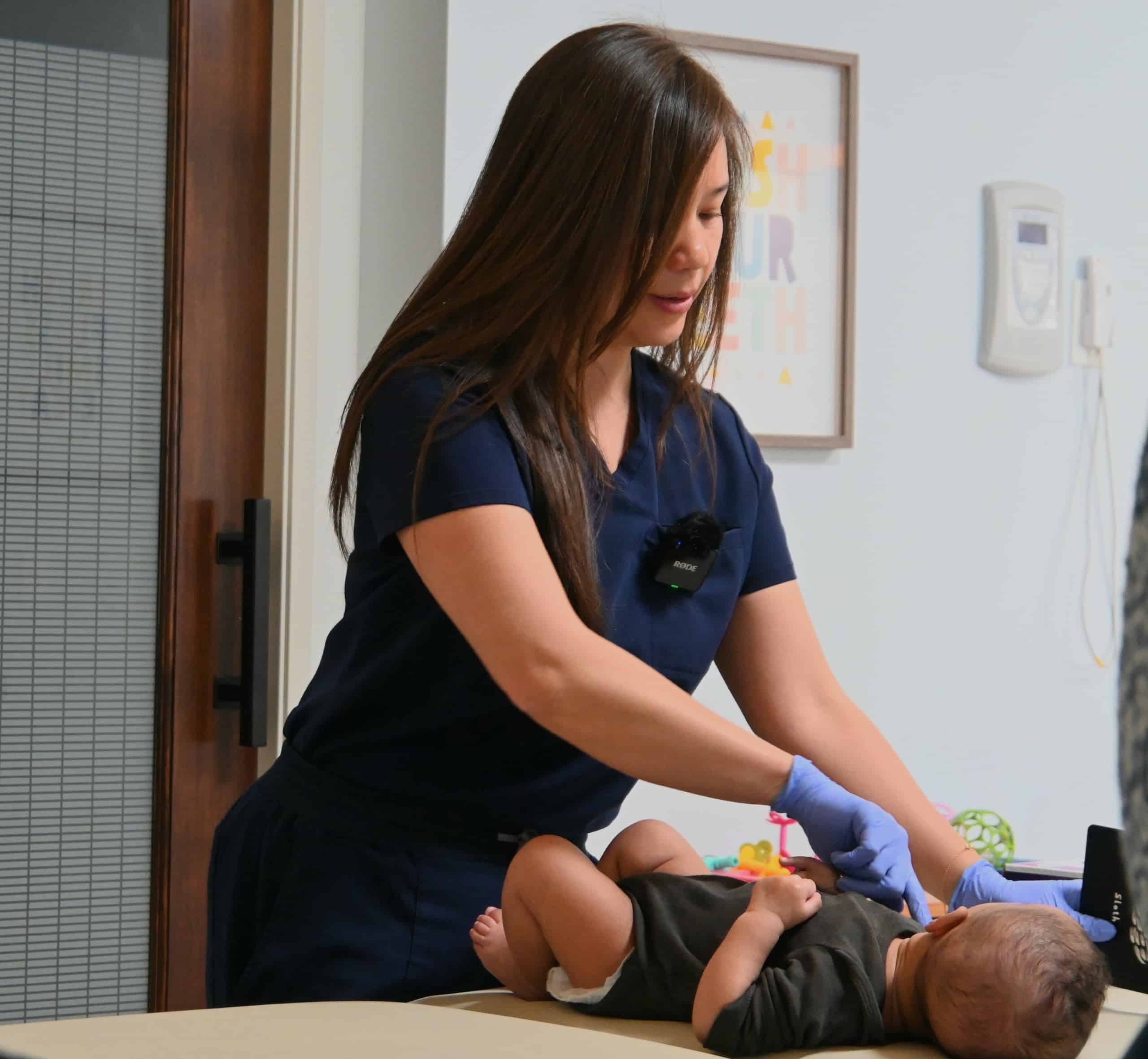
Kimberly Krebs has a clinical background in pediatric practice in a range of settings, including early intervention, schools, pediatric mental health, sensory integration and feeding therapy. Krebs is an international board-certified lactation consultant and has advanced training in sensory integration through the University of Southern California. She is involved in academic advising and mentoring capstone students.
Specialties
Torticollis (head turning preference - head tilt)
Diastasis Recti (pediatric - parent/caregiver)
Visual tracking issues
Body awareness/spatial orientation challenges
Body tension (infant - parent/caregiver)
Tantrums
Feeding related anxiety
Neurodivergence (e.g. ASD - ADHD)
Difficulty with transitions or routines
Parent Overwhelm
Genetic & birth conditions (e.g. Down syndrome - cerebral palsy)
Breastfeeding/bottle feeding difficulties (latching - dribbling - leakage - gagging - choking - coughing - clicking - weaning - aversion)
Solid feeding and swallowing (gagging - poor chewing - choking - straw drinking - cup drinking - leakage - picky eating - refusal)
Sleep problems (nighttime - naps)
Difficulty self-soothing
Limited social interaction with peers
Trauma-informed care needs
Fine motor milestones (e.g. - reaching - grasping - manipulating objects)
Motor planning difficulties (dyspraxia)
Sensory Issues (hypersensitivity - hyposensitivity)
Muscle tone (Core weakness - low muscle tone/ hypotonia - high muscle tone/hypertonia)
Prematurity
Delayed play skills (e.g. pretend - functional)
Difficulty with attention and engagement
Sensory or motor dysregulation
Postpartum depression (baby blues)
Postpartum anxiety
Gross motor milestones (e.g. - rolling - sitting - crawling - walking)
Education & Training
OTD, OTR/L, BCP
IBCLC
Insurance
Superbill for reimbursement
Aetna
Languages
English
Affirming Care
LGBTQIA+ Affirming
Neurodiversity Affirming
Trauma Informed
Contact
Service Areas
Pittsburgh, PA
Popular Courses
Lead in copy goes here in two or three lines to leave a little negative space below this introduction