This content is for educational purposes only and does not constitute medical advice, diagnosis, or treatment. For concerns related to your baby’s health, development, or sleep, or your own physical or mental wellbeing, always consult a qualified healthcare provider.
When to Introduce
If you are breastfeeding, wait to introduce a pacifier until breastfeeding is going well. This means you have a good milk supply, your baby latches comfortably, and your baby is gaining weight appropriately.¹ The timing is different for every family, so focus on these milestones rather than a specific number of weeks.¹
If your baby is not breastfeeding, you can introduce a pacifier whenever you are ready.¹
High-quality research, including randomized controlled trials, has shown that pacifier use does not interfere with breastfeeding success when introduced after breastfeeding is established.²,³
How to Use
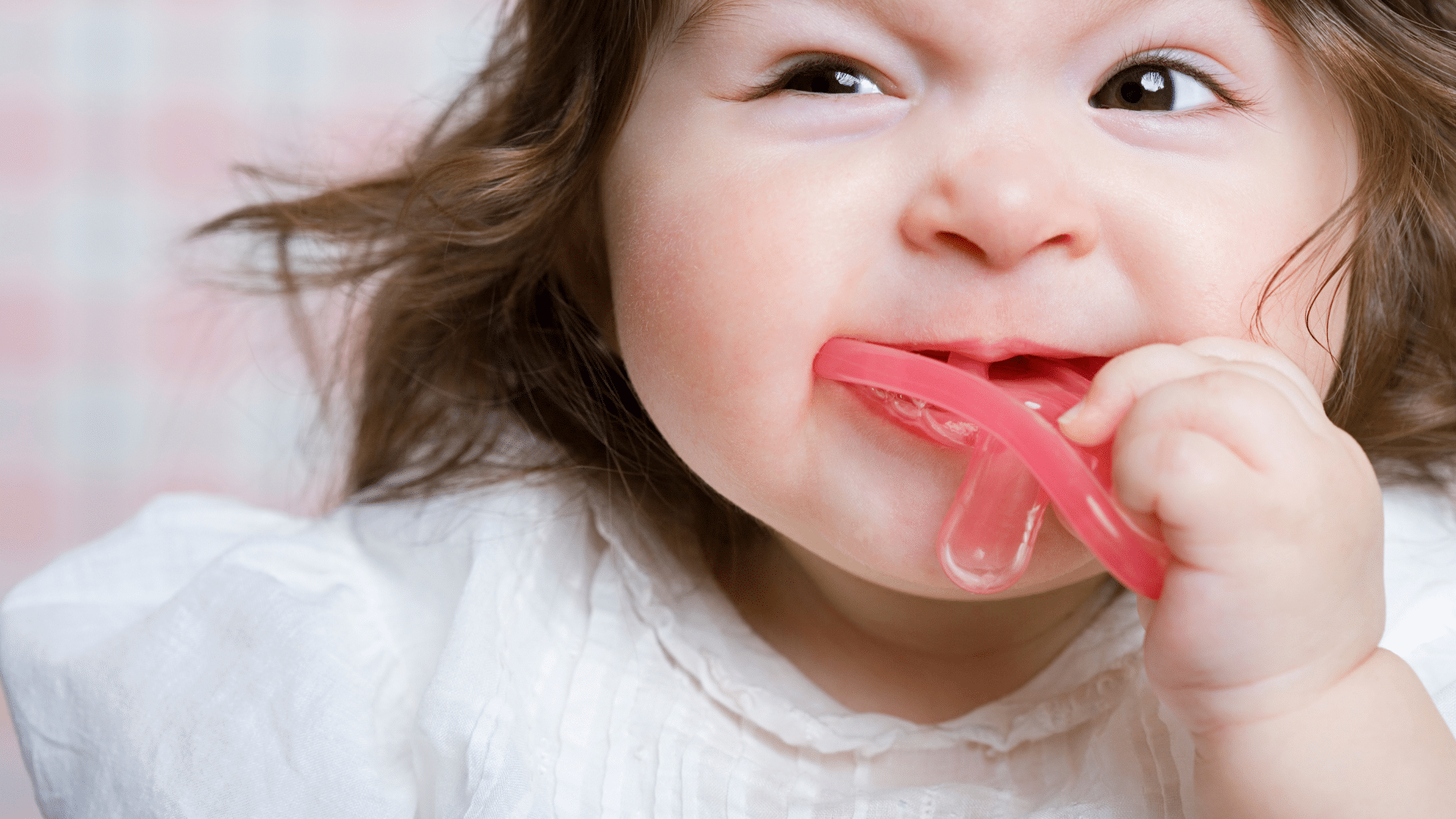
The pacifier is a soothing tool, not something your baby needs in their mouth all day. The goal is to use to soothe and then remove. When your baby is fussy or unsettled, offer the pacifier to help them calm down. Once they are settled, gently take it out.
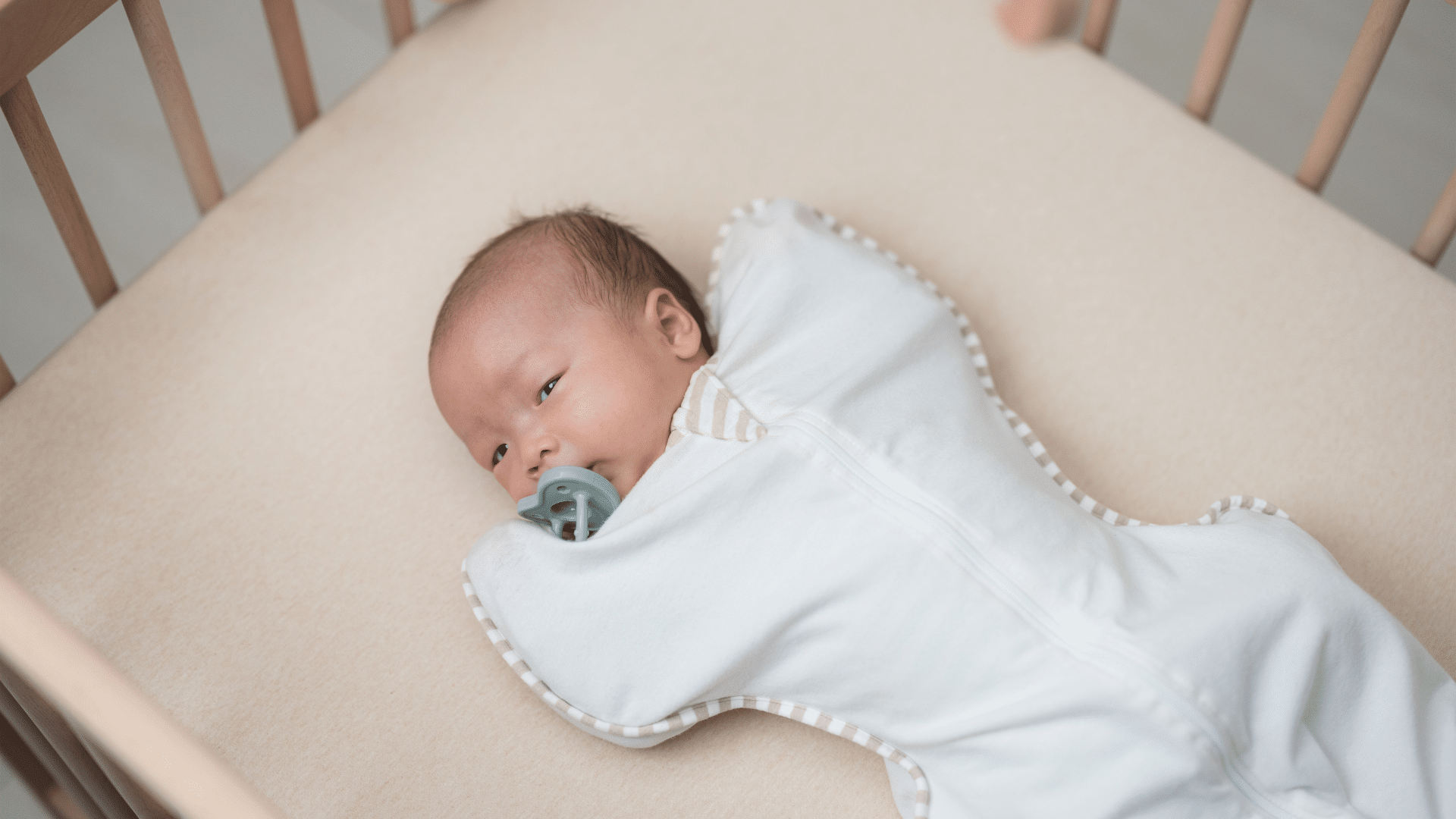
There is one important exception: sleep. Always offer the pacifier when placing your baby down for naps and bedtime. This has been shown to significantly reduce the risk of SIDS.⁴ If the pacifier falls out after your baby falls asleep, you do not need to put it back in. Important to know, don’t pressure or force a pacifier on a baby who does not want it.⁴
Safety Rules
– Never hang a pacifier around your baby’s neck or attach it to clothing during sleep.⁴
– Never attach stuffed animals, blankets, or other objects to the pacifier.⁴
– Never coat the pacifier in honey or sweet solutions.⁵
– Clean and replace pacifiers regularly. Inspect them for signs of wear or damage.⁵
Planning Ahead
The benefits of pacifier use are greatest in the first 6 months of life, when SIDS risk is highest. After 6 months, the risks of continued use (ear infections, dental changes) begin to outweigh the benefits.⁵,⁶ Planning ahead for weaning will make the transition easier for both you and your baby.
References
1. Moon RY, Carlin RF, Hand I. Evidence base for 2022 updated recommendations for a safe infant sleeping environment to reduce the risk of sleep-related infant deaths. Pediatrics. 2022;150(1):e2022057991.
2. Jaafar SH, Ho JJ, Jahanfar S, Angolkar M. Effect of restricted pacifier use in breastfeeding term infants for increasing duration of breastfeeding. Cochrane Database Syst Rev. 2016;(8):CD007202.
3. Tolppola O, Renko M, Sankilampi U, et al. Pacifier use and breastfeeding in term and preterm newborns: a systematic review and meta-analysis. Eur J Pediatr. 2022;181(9):3421-3437.
4. Moon RY, Carlin RF, Hand I. Sleep-related infant deaths: updated 2022 recommendations for reducing infant deaths in the sleep environment. Pediatrics. 2022;150(1):e2022057990.
5. Garcia DS, Garcia KW. Pacifiers: common questions and answers. Am Fam Physician. 2025;111(2):161-168.
6. Sexton S, Natale R. Risks and benefits of pacifiers. Am Fam Physician. 2009;79(8):681-685.