This content is for educational purposes only and does not constitute medical advice, diagnosis, or treatment. For concerns related to your baby’s health, development, or sleep, or your own physical or mental wellbeing, always consult a qualified healthcare provider.
When you are preparing for a new baby, your mind is consumed with nursery decor, feeding schedules, and sleep routines. But one of the most important things you can do for your baby is protect them from invisible, silent dangers (fire and carbon monoxide). These are not just “what if” scenarios. They are real risks that every parent needs to address before baby comes home.
Fire Safety: It’s Not Just About Smoke Detectors
Most parents know they need smoke detectors, but knowing and doing are two different things. According to Safe Kids Worldwide, you should install smoke alarms on every level of your home, inside bedrooms, and near sleeping areas1 (that means not just one detector in the hallway, but one in or near your baby’s nursery too).
Once the alarms are in place, the next step is having a plan. As Kidde’s home safety experts recommend, designate one person to get infants and small children out safely, and have a backup plan in case that person is overcome by smoke.2 Babies cannot self-rescue (they are entirely dependent on you), which means a fire escape plan is not optional. Create a plan with two escape routes from every room, and identify a safe meeting spot outside.
A few other fire safety basics every new parent should follow:
- Keep space heaters at least three feet away from anything flammable, and turn them off when you leave the room.1
- Never hold your baby while cooking or carrying anything hot (it is tempting to keep them close, but one spill can cause serious burns).1
- Keep candles, lighters, and matches completely out of reach (ideally locked away).3
Carbon Monoxide: The Invisible Threat to Your Baby
If fire is a visible danger, carbon monoxide (CO) is the opposite. It has no color, no odor, and no taste (which is why it is often called “the invisible killer”). Each year, more than 150 children die from carbon monoxide poisoning and more than 3,200 are exposed to it.4
Here is what makes CO especially dangerous for babies: they process it differently than adults. As University Hospitals pediatric critical care physician Dr. Matthew Marx explains, “The onset of symptoms is very subtle in babies and young children, because they can’t express what they’re feeling. A baby or toddler who is experiencing the early symptoms of carbon monoxide poisoning may just appear to be fussy.”5 By the time a parent realizes something is wrong, dangerous levels may already be present.
Even more concerning, most standard household CO alarms are designed to activate only when carbon monoxide reaches around 70 parts per million (a level that may already be unsafe for infants).6 For parents who want extra peace of mind, low-level CO monitors that detect concentrations far below the standard alarm threshold are worth considering, especially in the nursery.
What you can do right now:
- Install carbon monoxide detectors on every level of your home, especially near sleeping areas.4
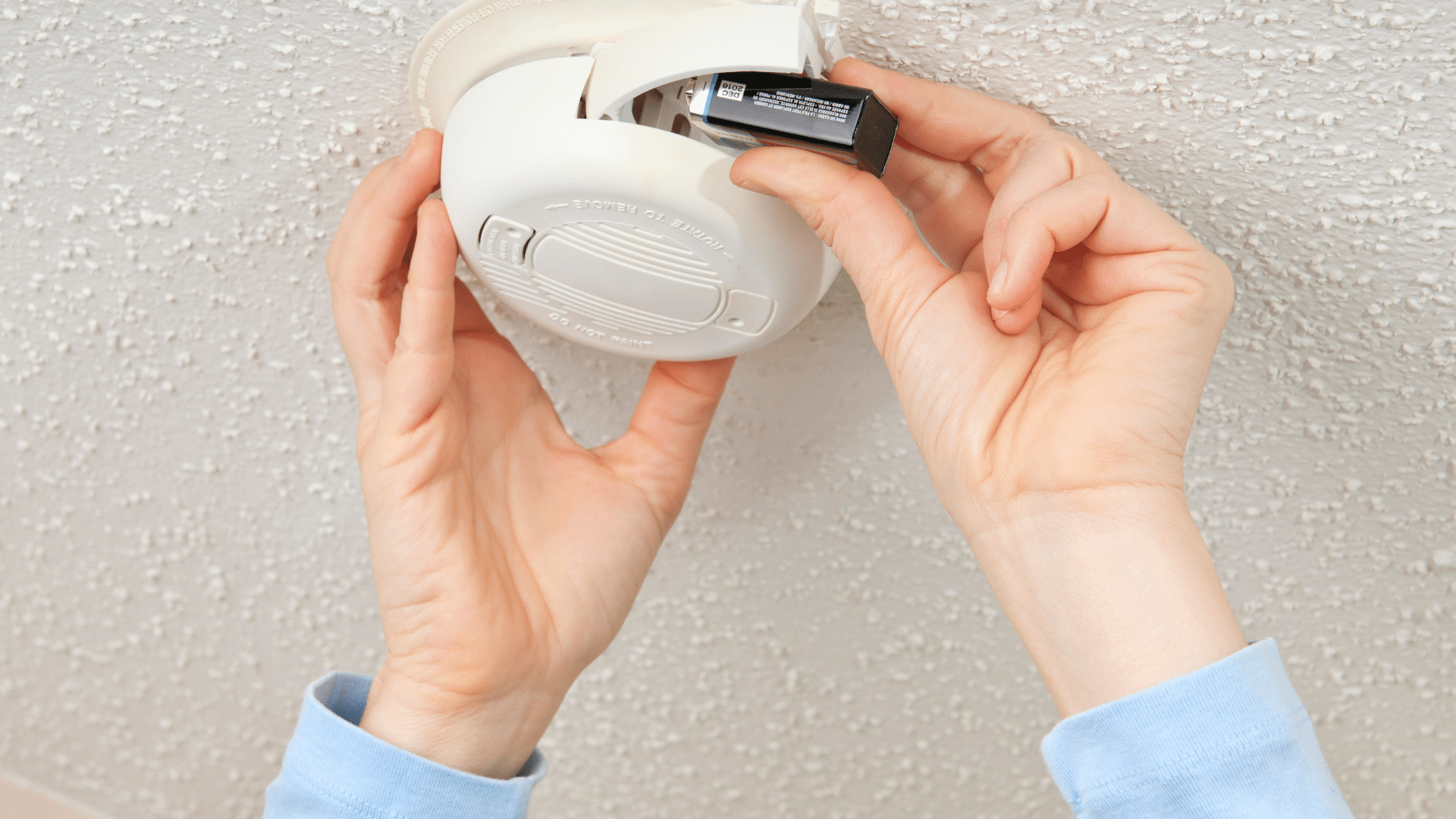
- Test your detectors at least once a month and replace batteries every six months.5
- Never leave a car running in the garage (even with the door open).3
- Have your furnace, water heater, and gas appliances serviced by a qualified technician every year.5
- Never use a gas oven, charcoal grill, or fuel-burning generator indoors.5
The Bottom Line
New parenthood is already overwhelming, but fire and carbon monoxide safety does not have to be complicated. Install the right detectors, make a plan, practice it, and know the warning si. gns. As HeadStart simply puts it: properly installed and maintained smoke alarms and carbon monoxide detectors save lives.7
References
1. Safe Kids Worldwide. Fire prevention for babies. https://www.safekids.org/safetytips/field_age/babies-0%E2%80%9312-months/field_risks/fire
2. Kidde. Childproofing & fire safety for new parents. https://www.kidde.com/home-safety/en/us/fire-safety/hot-topics/childproofing-a-home/
3. Cincinnati Children’s Hospital. Home safety tips: Injury prevention. https://www.cincinnatichildrens.org/service/c/ccic/injury-prevention/home
4. Safe Kids Worldwide. Carbon monoxide. https://www.safekids.org/carbon-monoxide
5. University Hospitals. (2025, February 25). Carbon monoxide poisoning: Keep your family safe. https://www.uhhospitals.org/blog/articles/2025/02/carbon-monoxide-poisoning-keep-your-family-safe
6. CO Experts. Baby safety: Why low-level carbon monoxide monitoring matters. https://coexperts.com/blogs/news/baby-safety-carbon-monoxide
7. HeadStart.gov. Tips for keeping infants and toddlers safe: A developmental guide for home visitors. https://headstart.gov/safety-practices/article/tips-keeping-infants-toddlers-safe-developmental-guide-home-visitors-young-infants